
If you’re reading this, you’ve probably heard the term “ABA therapy” from your pediatrician, your child’s teacher, or another parent at the playground. Maybe you nodded along, but inside you were thinking: What does that actually mean? And is it right for my child?
You’re not alone. Most parents in Durham come to us with the same questions. So let’s break it down—no jargon, no overwhelm. Just straight talk about what ABA therapy is, how it works, and what it might look like in your home.
So, What Is ABA Therapy?
ABA stands for Applied Behavior Analysis. At its core, it’s a way of understanding why behaviors happen and using that knowledge to help children learn new skills and reduce challenging behaviors.
Think of it this way: every behavior your child does—whether it’s asking for a snack, having a meltdown at bedtime, or learning to tie their shoes—happens for a reason. ABA therapy helps us figure out what’s driving those behaviors and then teaches your child more effective ways to get what they need.
It’s not about changing who your child is. It’s about giving them tools to communicate better, play with friends, manage frustration, and navigate daily life with more confidence.
What Does ABA Actually Look Like?
Here’s where a lot of parents get confused. ABA isn’t a single activity or a magic trick. It’s a framework that therapists use throughout your child’s day—during play, meals, bath time, even getting dressed.
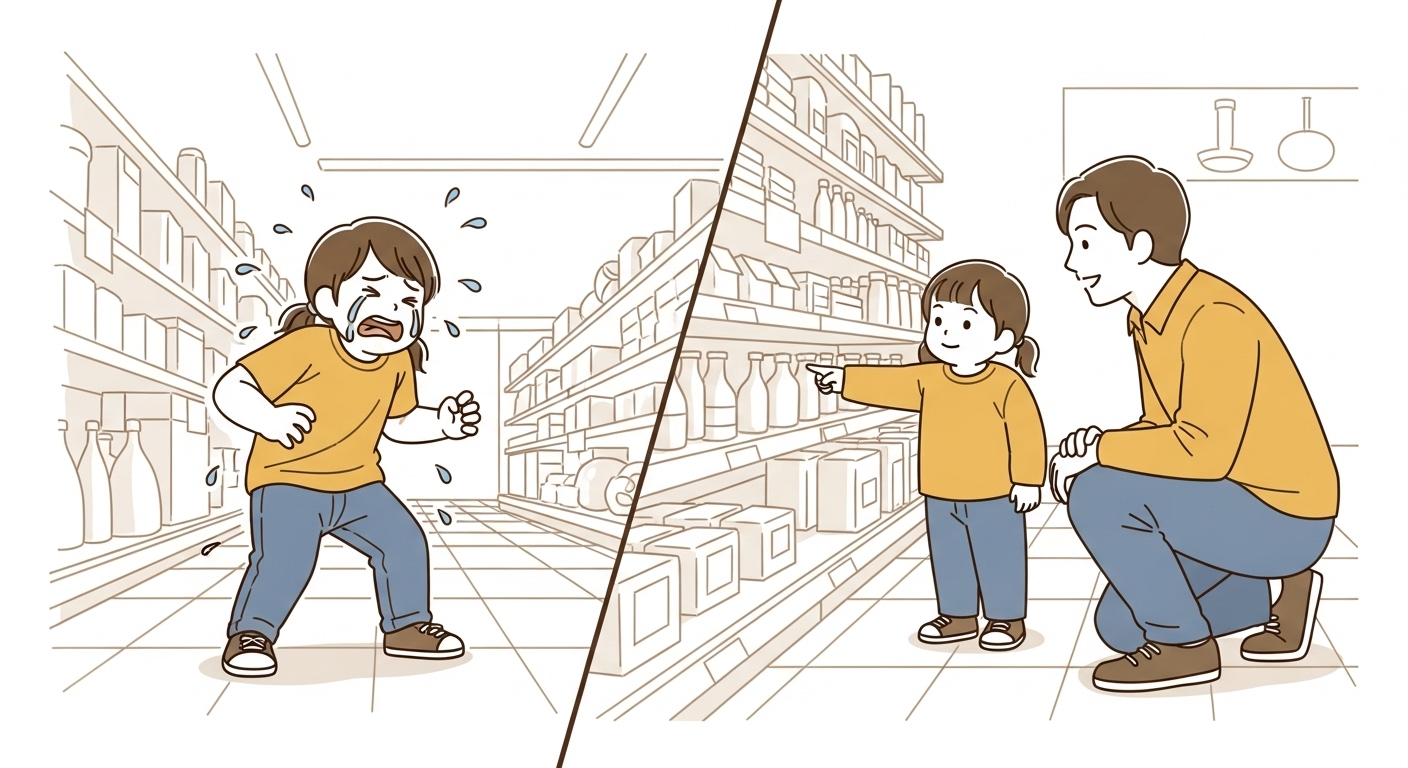
Let’s say your child struggles with transitions. They melt down every time you say it’s time to leave the park. An ABA therapist might:
- Observe what’s happening before, during, and after the meltdown
- Identify that your child doesn’t have a way to ask for “five more minutes”
- Teach them how to request extra time using words, signs, or pictures
- Practice this skill repeatedly in different situations
- Celebrate when they use it successfully
Over time, those meltdowns happen less often because your child has learned a better way to communicate their needs.
Who Designs Your Child’s Program?
This is important: ABA therapy isn’t one-size-fits-all. Your child’s program is designed by a Board Certified Behavior Analyst (BCBA)—someone with a master’s degree and specialized training in behavior science.
Your BCBA will spend time getting to know your child: What motivates them? What frustrates them? What skills do they already have, and what are they working toward?
Then they create a personalized plan. Maybe your child needs help with:
- Communication (speaking, using AAC devices, understanding others)
- Social skills (taking turns, making friends, reading social cues)
- Daily routines (getting dressed, brushing teeth, following a schedule)
- Managing emotions (coping with frustration, anxiety, or sensory overload)
The actual therapy is delivered by trained behavior technicians who work directly with your child—usually in your home, where your child feels most comfortable.

Why ABA? What Makes It Different?
You might be wondering why ABA specifically. Here’s the thing: ABA is one of the most researched and evidence-based approaches for helping children with autism and other developmental differences.
But what really sets it apart is the data. Your therapist isn’t just guessing what works. They’re tracking your child’s progress every single session—what skills they’re mastering, where they’re getting stuck, and how quickly they’re learning.
That means your BCBA can adjust the plan in real time. If something isn’t clicking after a few weeks, they don’t keep doing it. They try a different approach.
It’s also collaborative. Your input matters. You know your child better than anyone, and the best ABA programs involve parents every step of the way.
Common Questions Durham Parents Ask Us
Will my child have to do ABA forever?
Not necessarily. The goal is to teach your child skills they can use independently. Some kids need intensive support for a year or two, then gradually reduce hours. Others benefit from ongoing support through major transitions like starting school. It really depends on your child.
What if my child hates it?
Good ABA therapy should never feel like punishment. Sessions are built around what your child enjoys—favorite toys, games, activities. If your child is consistently resistant, that’s a red flag that something needs to change.
How many hours per week?
It varies. Some children thrive with 10-15 hours a week. Others need 25-40 hours for more intensive support. Your BCBA will recommend what makes sense based on your child’s needs and your family’s schedule.
Will insurance cover this?
Most health insurance plans in North Carolina are required to cover ABA therapy for autism. We can help you navigate that process.

What ABA Is Not
Let’s clear up some misconceptions:
ABA is not about making kids “act normal.” It’s about helping them develop skills that make their lives easier and more fulfilling.
It’s not all drills and flashcards. Modern ABA happens through play, conversation, and natural daily routines.
It’s not punishment-based. Effective ABA focuses on positive reinforcement—celebrating what your child does well and building from there.
How to Know If ABA Is Right for Your Child
Here’s the honest truth: ABA isn’t the only option, and it’s not right for every family. But it might be a good fit if:
- Your child has been diagnosed with autism or another developmental delay
- They’re struggling with communication, behavior, or daily living skills
- Traditional approaches haven’t been enough
- You want a structured, evidence-based program with measurable goals
- You’re ready to be involved in your child’s progress
What Happens Next?
If you’re curious about whether ABA could help your child, the first step is simple: reach out for a consultation. You’ll meet with a BCBA who will assess your child’s needs, answer your questions, and help you understand what therapy might look like for your family.
No pressure. No commitment. Just honest conversation about what your child needs and whether we’re the right fit to help.

You’re Not Alone in This
We know how overwhelming this journey can feel. You’re trying to make the best decisions for your child while juggling doctor’s appointments, IEP meetings, and everything else life throws at you.
Here’s what we want you to know: asking questions is good. Taking your time is fine. And wherever you are in this process, you’re doing better than you think.
At Durham ABA, we’re here to walk alongside you—not as experts who have all the answers, but as partners who care deeply about your child’s progress and your family’s well-being.
Ready to talk? Reach out today. Let’s figure out together what support your child needs to thrive.