Key points:
- Community inclusion for autistic children goes beyond organized programs, requiring intentional effort to find welcoming spaces, supportive peers, and flexible activities.
- Durham has a growing number of sensory-friendly local activities, inclusive recreation programs, and parent networks designed to support autistic children and families.
- Building social opportunities takes time, but consistent community participation strengthens confidence, independence, and quality of life for autistic children and their families.
Development does not happen only during therapy sessions. Friendships, shared activities, and community participation play a major role in helping autistic children build confidence and independence.
Durham offers many opportunities where children can practice social interaction in supportive environments. Parks, local programs, and recreational groups create spaces where kids explore interests and build communication skills through everyday experiences.
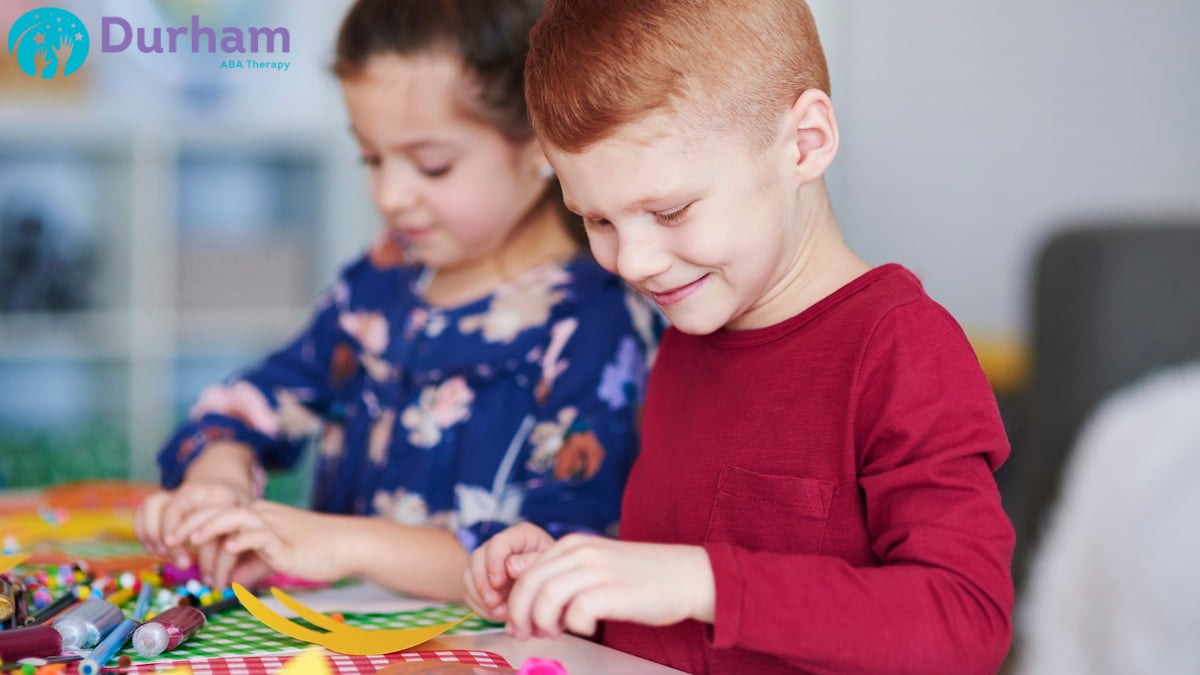
Community inclusion encourages children to participate in real settings rather than structured therapy environments alone. Social opportunities such as group play, sports programs, and creative activities allow children to practice cooperation, conversation, and emotional understanding.
When therapy goals extend into local activities, progress becomes more meaningful. Children gain the chance to connect with peers and develop a stronger sense of belonging within their Durham community.
Why Community Participation Matters for Autistic Children
The research on community inclusion for autistic children is unambiguous. Studies from the Journal of Autism and Developmental Disorders consistently show that participation in community activities is associated with better social communication, improved adaptive behavior, and higher family quality of life. When children have regular access to peers, familiar community settings, and supported social opportunities, they develop skills that are difficult to replicate in therapy rooms alone.
Community participation also builds what researchers call a social identity, a sense of belonging to something larger than one’s immediate family. For autistic children who may struggle with peer relationships in school settings, having a community activity where they are known, welcomed, and valued can be transformative. This is not about making autistic children appear neurotypical. It is about giving them access to the full range of experiences that childhood has to offer.
Sensory-Friendly Local Activities in Durham
Durham has made meaningful progress in expanding sensory-friendly local activities that support autistic participation. Several museums, performance venues, and recreational facilities have developed adapted programs in recent years.
The Durham Museum of Life and Science offers sensory-friendly mornings on a periodic schedule. These events reduce sensory stimulation by lowering music, minimizing lighting in certain areas, and creating quiet spaces for children who need a break. Calling ahead to confirm upcoming dates and any specific accommodations helps families plan effectively.
The Durham Performing Arts Center has hosted relaxed performances for some productions. Relaxed performances modify the theatrical experience by reducing sudden loud sounds, allowing movement and vocalization in the audience, and creating a more welcoming environment for children who may not tolerate traditional performance norms. Families should check the DPAC website or call to ask about upcoming relaxed showings.
Durham Parks and Recreation offers adaptive recreation programs through the Special Population Services division. These programs serve children and adults with disabilities and include local activities such as swimming, art, and fitness classes that are specifically designed for inclusive participation. Registration opens seasonally, and spots can fill quickly.
Sports, Arts, and Recreation Programs in Durham
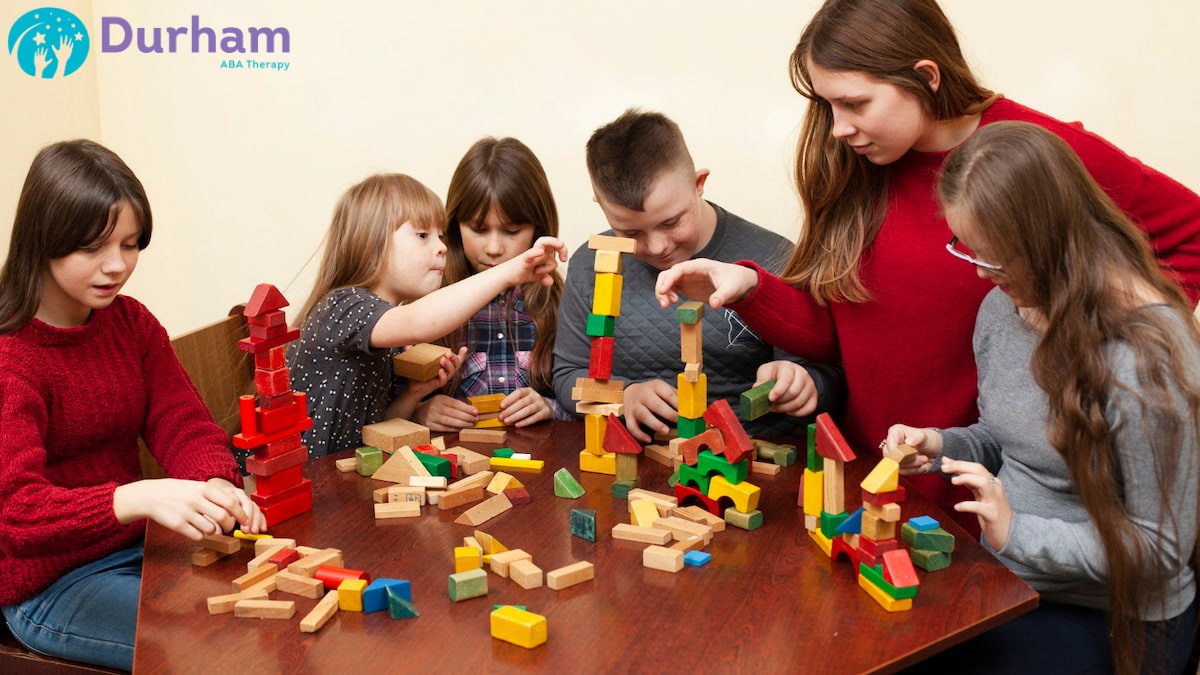 Finding the right fit in structured programs can take time, but several Durham-area organizations offer programming with particular attention to neurodiversity and inclusion.
Best Buddies, which has a regional presence in North Carolina, creates one-to-one friendship pairings between individuals with intellectual and developmental disabilities and their peers. While primarily focused on older participants, their model builds genuine social relationships rather than supervised interactions. Families can explore chapters through Durham-area schools and universities.
Triangle Special Hockey, serving the broader Triangle region, offers adaptive ice hockey for participants with physical and cognitive disabilities. The program is welcoming to participants across a wide range of abilities, and many families describe it as one of the most consistently inclusive social opportunities they have found. Sessions run seasonally at a local ice rink.
For children interested in the arts, several Durham theaters and community arts organizations offer inclusive performance programs. Some focus on process over performance, creating low-pressure creative environments where children with diverse needs can participate meaningfully alongside their peers.
Building Social Opportunities Beyond Organized Programs
While structured programs provide a useful starting point, many of the deepest community connections for autistic children grow from less formal settings. Neighborhood play groups, library story times, faith communities, and family-organized activities all offer meaningful social opportunities when approached thoughtfully.
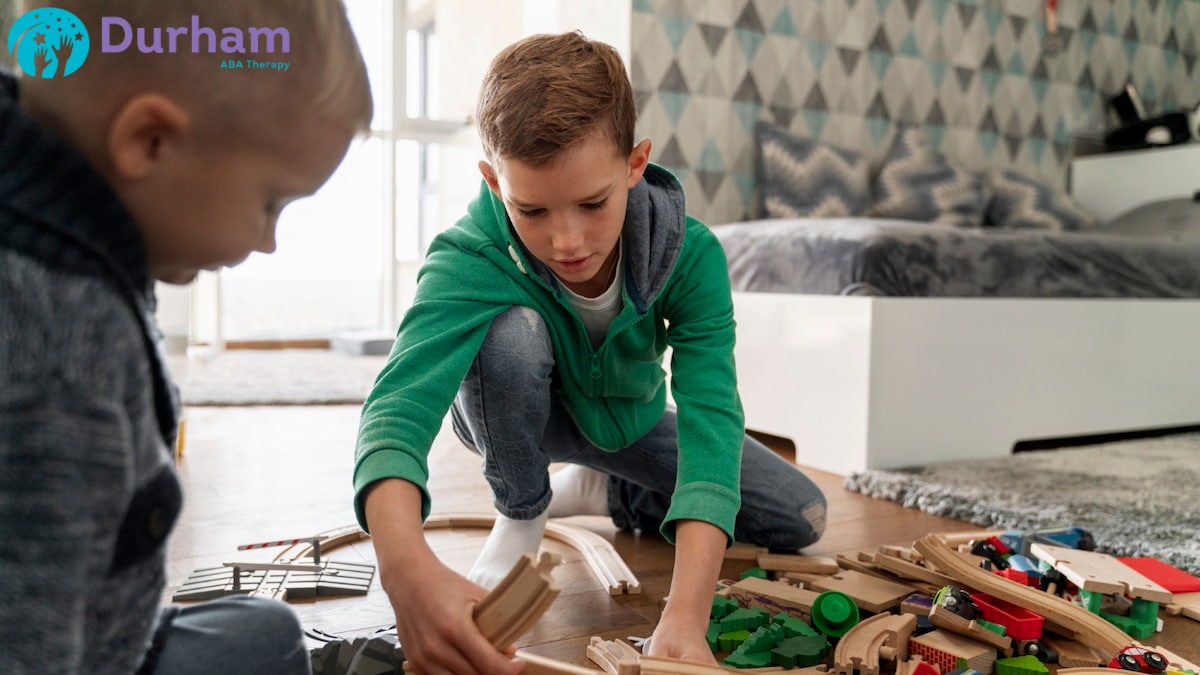
For younger children, parallel play in familiar settings with a consistent peer can be just as valuable as a supervised social skills group. Identifying one or two families from your neighborhood or your child’s school who are interested in regular low-key playdates can gradually build the kind of social comfort that generalizes into other settings over time.
Parent networks also play a crucial role. When parents are connected, information flows about which programs are genuinely welcoming, which parks have quieter times, and which community events have space for diverse participation. The Autism Society of North Carolina maintains regional parent networks, and Durham-specific groups can often be found through school special education departments or local therapy providers.
Working with Your Child’s Support Team to Build Inclusion
Your child’s ABA provider, speech therapist, and occupational therapist can all be active partners in building community inclusion. A BCBA can identify specific social skills goals that are best practiced in community settings and help you select activities that match your child’s current skill level and sensory profile. They may also be willing to accompany your family to a new activity initially, helping your child navigate the environment with support before participating independently.
Occupational therapists can provide sensory profiles and practical strategies for managing sensory challenges in community settings. Knowing that your child tends to be overwhelmed by high-frequency sounds, for example, helps you identify which events to seek out, which to modify, and which to skip entirely for now.
Speech therapists can work on specific conversation skills, greeting routines, or peer communication strategies that are directly relevant to the community activities your child participates in. When therapy targets reflect real social contexts, skills are built more efficiently and generalize more reliably.
Tips for Advocating for Inclusion in Durham Community Spaces
Many Durham community organizations want to be more inclusive but do not know how. Families who take the time to communicate their child’s needs clearly often find more accommodation than they expected. When contacting a program or venue:
- Call or email in advance to ask specific questions about sensory accommodations, staff training, and flexibility in participation expectations.
- Bring a brief written summary of your child’s needs and effective strategies when entering a new program. This gives staff useful information without requiring a lengthy conversation in a busy moment.
- Give feedback when programs do something well. Positive feedback encourages organizations to maintain and expand their inclusive practices.
- Connect with other families who have used the same programs. Peer-to-peer information about which organizations are genuinely welcoming is often more reliable than marketing materials.
Durham is a community with a genuine commitment to inclusion, and many organizations are responsive when approached with clear, constructive communication.
Frequently Asked Questions
How do I find sensory-friendly events happening in Durham?
Follow Durham Parks and Recreation on social media, check the Autism Society of NC’s event calendar, and ask your child’s therapy team, who often track local inclusive programming.
My child does not like organized group activities. How do I build community connections?
Start small. One consistent peer, one familiar location, and one reliable routine can be the foundation of meaningful community inclusion even without formal programs.
How can I help my child prepare for a new community activity?
Use social stories, visit the location in advance if possible, and review the schedule together. Ask your BCBA to help develop a preparation routine tailored to your child.
Are there Durham programs specifically for autistic teenagers?
Yes. Best Buddies, adaptive sports leagues, and some community colleges offer transition-age programs. The Autism Society of NC can also connect families with Triangle-area teen-focused social opportunities.
How do I handle situations where my child’s behavior is misunderstood in public?
Carry a brief autism awareness card that explains your child’s communication style. Practice responses in advance and remember that advocating calmly in the moment teaches your child self-advocacy skills over time.
Turn Everyday Moments into Meaningful Social Growth
Children grow stronger when therapy connects with real experiences beyond structured sessions. Community spaces provide opportunities for friendships, shared play, and learning that continues outside clinical settings.
Durham ABA Therapy encourages community inclusion through goals that extend into local environments. Our clinicians help families identify social opportunities and local activities where children can practice communication, cooperation, and independence in natural situations.
Durham offers parks, programs, and family events where children can build confidence alongside peers. When therapy skills appear in everyday interactions, progress becomes visible in daily life.
Connect with our team to learn how autism support can blend with community experiences, helping your child feel connected, capable, and welcomed throughout Durham.