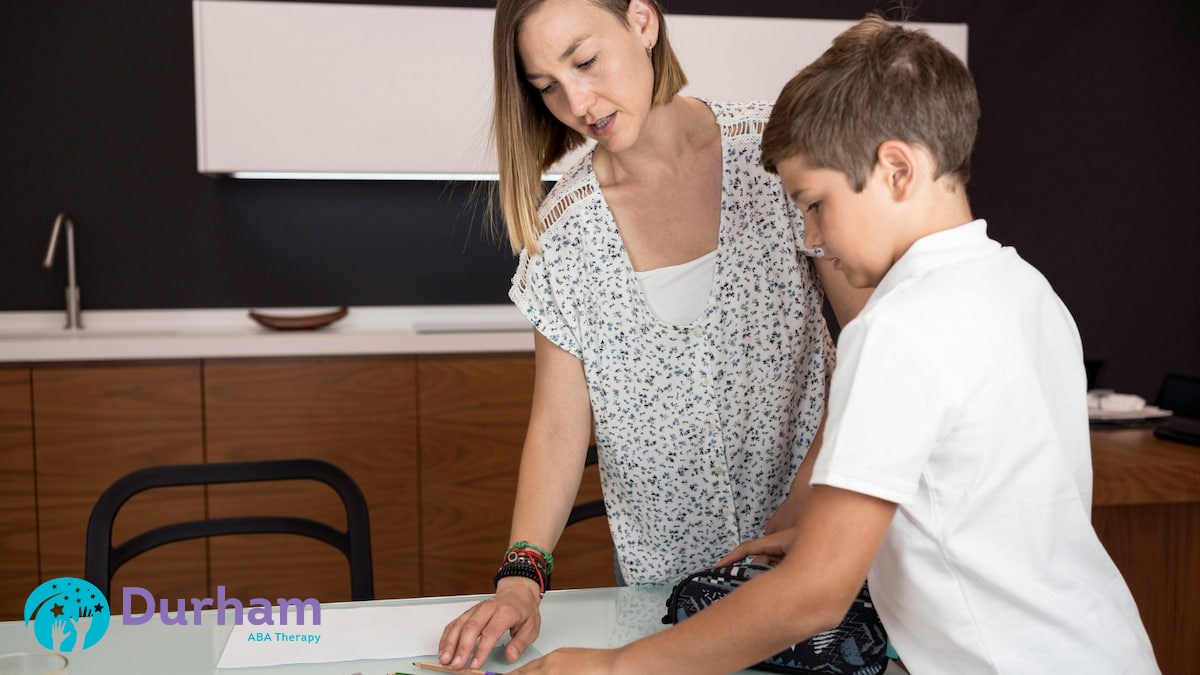
Learning a skill in therapy is only the first step. What truly matters is whether that skill shows up at home, school, and in the community. Skill generalization in autism focuses on helping children use learned behaviors across different settings and people. Without an ABA maintenance plan, progress can fade over time.
Behavior carry over in autism requires intentional practice and consistent reinforcement. From communication to daily living skills in autism, long-term success depends on helping children apply what they learn beyond the therapy room.
Why Skills Learned in ABA Do Not Automatically Transfer
ABA sessions are often structured, predictable, and carefully designed to teach specific behaviors. Real life is rarely that controlled. A child may learn to request items with one adult in a therapy room but struggle to do the same with siblings or in public spaces. This is not resistance or regression. It reflects how the brain learns.
Studies from educational research institutions show that children with autism often learn skills in context-specific ways. Without practice across environments, the skill remains tied to the original setting. This affects behavior carry over autism more than many families expect.
Common reasons skills do not transfer include:
- Learning occurs in one environment only
- Prompts are too specific or consistent
- Reinforcement differs at home versus therapy
- Daily routines change faster than teaching adapts
Understanding these barriers helps families respond with patience rather than frustration.
Understanding Generalization in Everyday Terms
Generalization means a child can use a skill anywhere it makes sense, not just where it was taught. If a child learns to wash hands in therapy, generalization means they can do it at home, at school, and in public restrooms.
Research from national developmental centers highlights three main types of generalization:
- Across people, using skills with parents, teachers, peers
- Across places, using skills in different rooms or buildings
- Across materials, using skills with different objects or tools
Supporting skill generalization autism does not require complex strategies. It requires thoughtful practice in real moments that matter to families.
How Maintenance Supports Long Term Independence
Maintenance focuses on time. Can the child still perform the skill weeks or months later without constant reminders? Long-term studies from public health agencies show that skills practiced intermittently over time are more likely to last than those practiced intensively and then stopped.
An effective ABA maintenance plan at home gradually reduces prompts and external rewards while increasing natural reinforcement. For families, this means celebrating independence and allowing space for mistakes.
Maintenance is especially important for:
- Communication skills
- Self-care routines
- Safety behaviors
- Social interactions
Without maintenance, even well-generalized skills can fade.
The Role of Families in Generalization and Maintenance
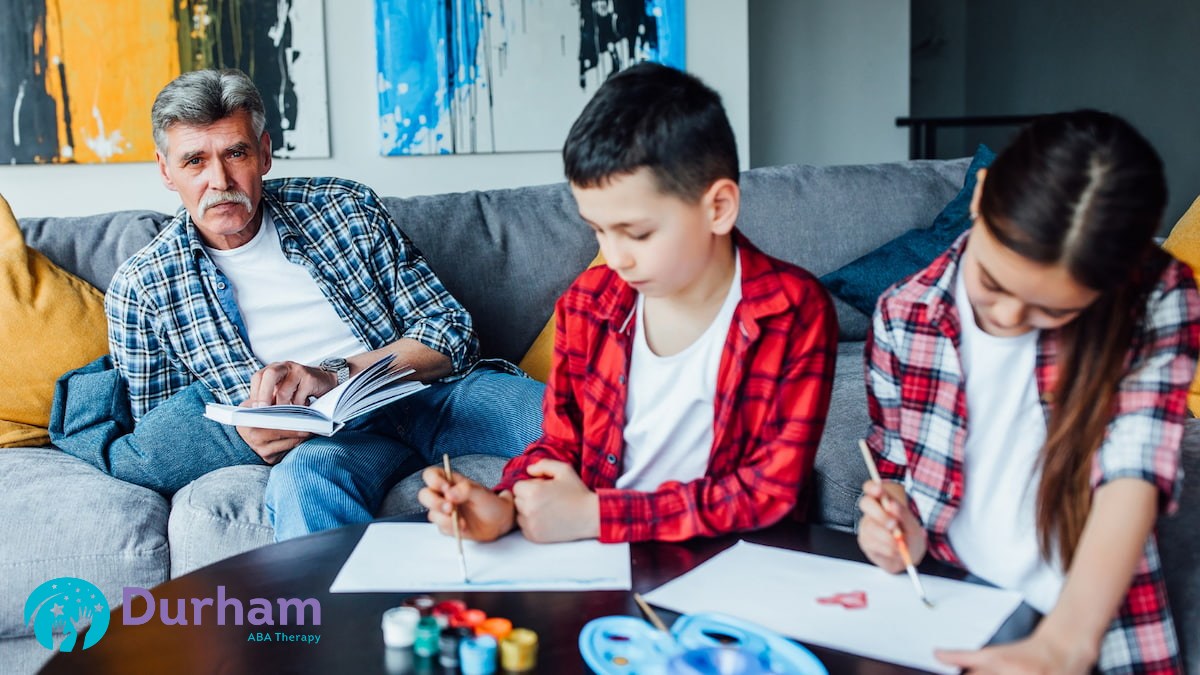
Families play the most important role in helping skills carry over. Unlike therapy sessions, home life offers countless natural opportunities for practice. Everyday routines such as meals, bedtime, and errands provide meaningful learning moments.
Research from family-centered intervention programs shows that children make faster progress when caregivers are involved in skill practice. This does not mean becoming a therapist. It means noticing opportunities and responding consistently.
Simple family strategies include:
- Using the same words or gestures taught in therapy
- Offering choices to encourage communication
- Waiting a few seconds before helping to encourage independence
These actions support behavior that carry over autism naturally.
Embedding Skills into Daily Living Routines
Daily routines are powerful teaching tools because they repeat naturally. Skills practiced during real activities are more likely to generalize and maintain.
For example, daily living skills improve faster when taught during actual tasks like dressing or cooking rather than isolated drills. Educational research shows that functional teaching increases independence and reduces frustration.
Common routines to embed skills include:
- Morning and bedtime routines
- Mealtimes and snack preparation
- Bathing and dressing
- Grocery shopping and community outings
Consistency matters more than perfection.
Supporting Communication Across Environments
Communication is one of the most important skills families want to see carry over. A child may use words, signs, or devices during therapy but not at home. This often happens when communication is unintentionally anticipated or prompted too quickly.
Studies from speech and language research centers show that children communicate more when adults pause and create opportunities. This supports skill generalization autism by encouraging spontaneous use.
Helpful strategies include:
- Pausing before giving desired items
- Offering choices instead of yes or no questions
- Responding positively to all communication attempts
These small changes can lead to meaningful gains.
Using Natural Reinforcement Instead of Rewards
In therapy, rewards may include tokens or preferred items. In real life, natural reinforcement works better. Natural reinforcement means the outcome of the behavior is rewarding on its own.
For example, asking for help results in receiving help. Cleaning up leads to more space to play. Research from behavioral science organizations shows that natural reinforcement increases maintenance.
Families can support this by:
- Letting the skill produce the reward
- Avoiding overuse of treats or toys
- Praising effort rather than perfection
This approach strengthens behavior carry over autism.
Generalizing Skills Across People
Children may use skills with one person but not others. This is common and expected. Generalization across people requires intentional practice.
Research from inclusive education programs shows that rotating who practices skills helps. If only one caregiver prompts a behavior, the child may associate the skill with that person.
Ways to support generalization across people include:
- Taking turns practicing routines
- Encouraging siblings to participate
- Practicing skills with extended family
This builds flexibility and confidence.
Managing Setbacks Without Losing Progress
Setbacks happen. Illness, schedule changes, or stress can temporarily affect behavior. Research from child development institutes emphasizes that regression does not mean loss of learning.
When setbacks occur:
- Return to familiar routines
- Increase support temporarily
- Celebrate small successes
Maintenance focuses on long-term patterns, not daily perfection.
School and Community Generalization
Skills must extend beyond home to truly support independence. Community settings like parks, stores, and schools provide valuable practice.
Educational studies show that practicing skills in varied environments increases generalization. Families can start small and build gradually.
Examples include:
- Practicing waiting during short errands
- Asking for items at familiar stores
- Following simple rules at playgrounds
These experiences strengthen daily living skills and autism in meaningful ways.
Collaboration Without Clinical Overload
Families benefit from collaboration but should not feel overwhelmed by technical language. Research from parent training programs shows that simple, shared goals lead to better outcomes.
Helpful collaboration tips include:
- Asking for clear explanations of goals
- Sharing what works at home
- Requesting strategies that fit daily routines
An ABA maintenance plan works best when it aligns with family life.
Tracking Progress in Real Life

Progress is not always visible in charts or data. Families can track generalization through observation. Research from developmental psychology supports qualitative tracking for real-world skills.
Signs of progress include:
- Spontaneous use of skills
- Reduced prompting needed
- Increased independence
Noticing these moments builds confidence and motivation.
Encouraging Independence Without Pressure
Independence grows when children are given opportunities, not demands. Studies from child autonomy research show that gentle encouragement leads to better outcomes than constant correction.
Families can support independence by:
- Allowing extra time for tasks
- Offering help only when needed
- Acknowledging effort
This supports long-term maintenance.
Emotional Support and Family Well Being
Supporting generalization can feel exhausting. Family well being matters. Research from public health organizations highlights that caregiver stress affects outcomes.
Simple self-care strategies include:
- Setting realistic expectation
- Celebrating progress
- Seeking community support
A calm, supportive environment helps skills thrive.
FAQs
Why does my child perform skills in therapy but not at home?
Skills are often learned in specific contexts. Without practice across environments, generalization does not occur. Home routines provide natural opportunities to strengthen carryover.
How long does maintenance take to see results?
Maintenance is ongoing. Many families notice stronger retention within weeks when skills are practiced naturally and prompts are gradually reduced.
Can generalization happen without professional support?
Yes. Families play a key role. Consistent routines, natural reinforcement, and patience support generalization even outside formal sessions.
Making ABA Skills Last Beyond Therapy Sessions
At Durham ABA Therapy, we design programs with real-life application in mind. Our approach emphasizes skill generalization in autism so progress continues outside structured sessions.
With a clear ABA maintenance plan, families learn how to support behavior carry over in autism at home and in everyday routines. Whether the goal is independence, communication, or daily living skills in autism, we help make learning stick. Contact us today to see how long-term success is built through consistency and real-world practice.